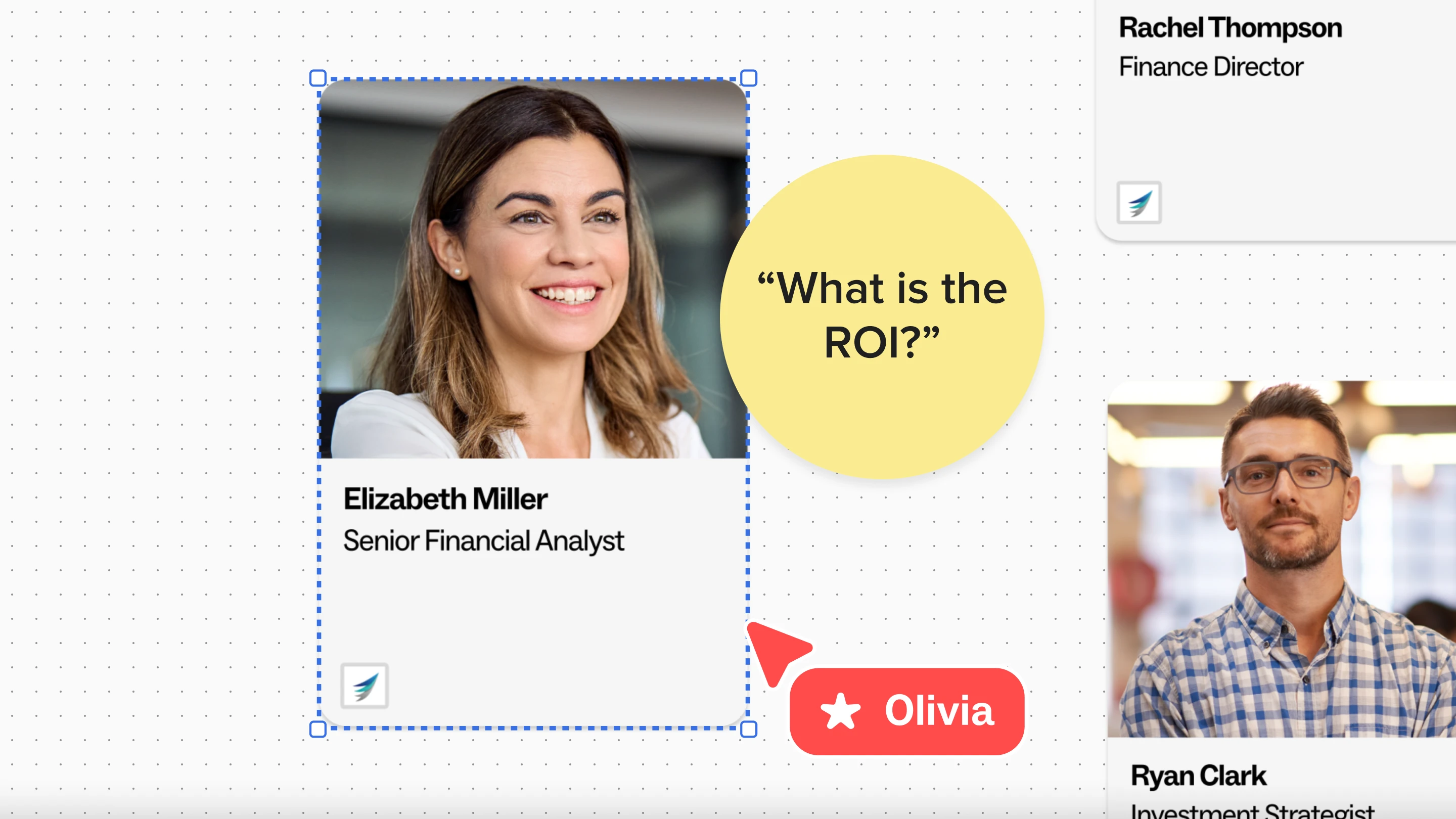
The most successful teams design for alignment, rather than hoping it will happen. A well-crafted stakeholder engagement plan gives you a shared playbook for collaboration, clarity, and momentum. It helps you understand stakeholder needs and communication rhythms upfront, so everyone stays aligned and projects move faster toward outcomes.
A stakeholder engagement plan is a great way to make sure that all of this gets done. By mapping out a plan for collaboration, including how each stakeholder wants to engage and their preferred rhythm of communication, you can make working together easier and more efficient.
So, let’s take a closer look at what goes into an effective stakeholder engagement plan, as well as some templates you can use to create one.
What is a stakeholder engagement plan?
A stakeholder engagement plan describes, at both a high level and in specific terms, how you and your stakeholders will work together.
Stakeholder engagement plans define the level of engagement or influence each stakeholder will have, as well as who should be responsible for different aspects of a project. A detailed communication plan, including when and how much information will be shared, is often included as well. As an important aspect of project management, these plans should be created in the earlier project phases and updated as needed.
Why should you use a stakeholder engagement plan?
A stakeholder engagement plan is critical for moving projects forward faster. By defining clear roles, expectations, and communication channels early, you minimize rework and decision bottlenecks. Everyone knows who’s accountable for what, how decisions are made, and what success looks like.
What’s more, taking the time to build out an engagement plan is also a good way to show you’re prioritizing stakeholder needs, which will further reinforce mutual trust.
Benefits of using a stakeholder engagement plan
Beyond organizing your project and helping describe your stakeholder relationship, here are some specific benefits you can get out of building an engagement plan:
- Creates accountability. With clearly defined roles and communication channels between you and your stakeholders, it will reinforce everyone’s responsibilities and keep them engaged.
- Reduces risk. Describing how stakeholders engage, whether you do it with words or by mapping out relationships, will help eliminate any potential ambiguities. In turn, this will make it less likely for potential conflicts and issues to come up.
- Increases creativity. A good engagement plan will make it easier for stakeholders and team members alike to share information, forge relationships, and come up with innovative solutions. The more collaboration there is, the better your problem-solving will be
- Improves long-term outcomes. Creating and refining a stakeholder engagement plan over the course of a project will both improve collaboration and demonstrate commitment. It’ll also provide you with a framework you can use for future engagements.
What should you include in a stakeholder engagement plan?
The specifics of your stakeholder engagement plan will ultimately depend on the project you’re working on, the types of stakeholders you have (internal, external, or a mix of both), and many other factors. However, the following are some specific elements common to many successful plans:
- Roles and expectations. This includes the jobs everyone on the project team should be doing, how involved they'll be, and their level of influence. Try a RACI chart if you want to get real specific.
- Communication needs. Describe how you'll send out updates, how frequently you'll meet, the information that will be shared, and anything else that will make communication more effective.
- Goals and success metrics. Clearly define what a successful project will look like, as well as intermediate goals to meet along the way.
- Agreed priorities. If there are multiple projects or competing elements, make sure to describe which are most important. Include any additional requirements or resources these high priority items require
- A project roadmap. Create a schedule for the project, including all meetings and dates for shared updates, so you and your stakeholders can monitor its progress.
How to structure a stakeholder engagement plan
Start this process when you first begin engaging with your stakeholders, then continue adding on and iterating as you go along. How you build out your stakeholder engagement plan can be just as important as what you include.
Maybe things aren’t working? Start over. The process itself of creating a plan can be a great way of improving collaboration.
1. List out all key stakeholders involved
Familiarizing yourself with who, exactly, you’re working with should be the foundation on which you build the rest of your engagement plan. Don’t just assume your project stakeholders are limited to those you are communicating with. There might just be other even more influential stakeholders you’ll engage with later.
One way of figuring out priority contacts early on is to interview your immediate contacts. This will help you create a comprehensive list of all the most critical stakeholders you’ll be working with, either directly or indirectly.
2. Include involvement, influence, and communication preferences
Once you have your list of stakeholders, populate it with as many details as you can. Most often, this will include information like how involved each stakeholder wants to be; the level of influence they'll have over either the entire project or certain aspects of it; and how they want to communicate. High-interest stakeholders will likely want to be notified of any changes as quickly as possible, while low-interest stakeholders may only want critical updates.
Make sure this information is visible to your entire team so that everyone knows who the right decision maker they should be talking with.
3. Add the stakeholder information to a stakeholder map
To help make your stakeholder engagement plan more engaging, it can be useful to break away from the list and think up some more visually creative ways to display your information.
For example, through stakeholder mapping, you can create diagrams to quickly understand who the key stakeholders are and how they'll be involved. Depending on your needs, you can complete a stakeholder analysis based on influence vs. involvement, or by diagramming out their roles within a given system. The goal of each should be to provide everyone with a simple way to visualize stakeholder relationships.
Related: How to create a stakeholder map [templates & examples]
4. Define how you'll communicate status updates and lead engagements with stakeholders and clients
Create strong relationships with thoughtful touchpoints through a detailed and comprehensive communication strategy. Include high-level information such as how often you’ll be sending out updates and when you’ll hold meetings to discuss project status. Make sure there's full alignment across stakeholders and team members.
Get even more specific by including information like how specific stakeholders prefer to communicate, what information they want to receive, and the level of detail they prefer. By making sure you can give everyone what they want, you’ll be able to keep your relationship running smoothly.
5. Get feedback and iterate
Finally, don’t forget to keep engaging stakeholders to give you feedback on what is and isn’t working in your plan. Projects change and relationships evolve, and so should your engagement plan.
As you accomplish goals and encounter new challenges, always try to think about how you can make it easier to communicate and collaborate with your various stakeholders. Make sure they know you welcome their advice along the way.
Stakeholder engagement plan templates
Get a head start on your stakeholder engagement plan with these templates. They will help you start organizing your project and streamlining collaboration so you can work and communicate together smoothly.
- Stakeholder analysis template: Analyze stakeholders' needs to design an effective communication plan that addresses each of their unique situations.
- Team charter template: Outline the essential elements of your team's communication and define a set of concepts and skills that focus and guide your team.
- Project planning template: Align with key stakeholders and leadership on the goals and scope of a project before kicking it off with the whole team.
Put the "engagement" back into your stakeholder engagement strategy
Earning stakeholder trust means keeping them engaged throughout the lifecycle of your project. A stakeholder engagement plan isn't just a tool to help do this, but an entire process for communicating and collaborating with stakeholder groups. By taking the time to follow this process, you'll be showing stakeholders you’re not only invested in their project’s success, but in building successful long-term relationships with them.
And Mural is here to help you at every step. Whether through our powerful feature set or our comprehensive library of templates, we can give you the capabilities to help you and your clients be successful. Book a demo to learn how Mural can fit into your workflow.

![How to create a stakeholder map [templates & examples]](https://cdn.prod.website-files.com/63062129119620a44791a2eb/68c86139fdfa85df67976919_689f47a2691857ea61eb39a8_stakeholder_mapping_hero_image_1440x810_2x.webp)