On this page
Template use cases
Use Phased release plan template
Get started


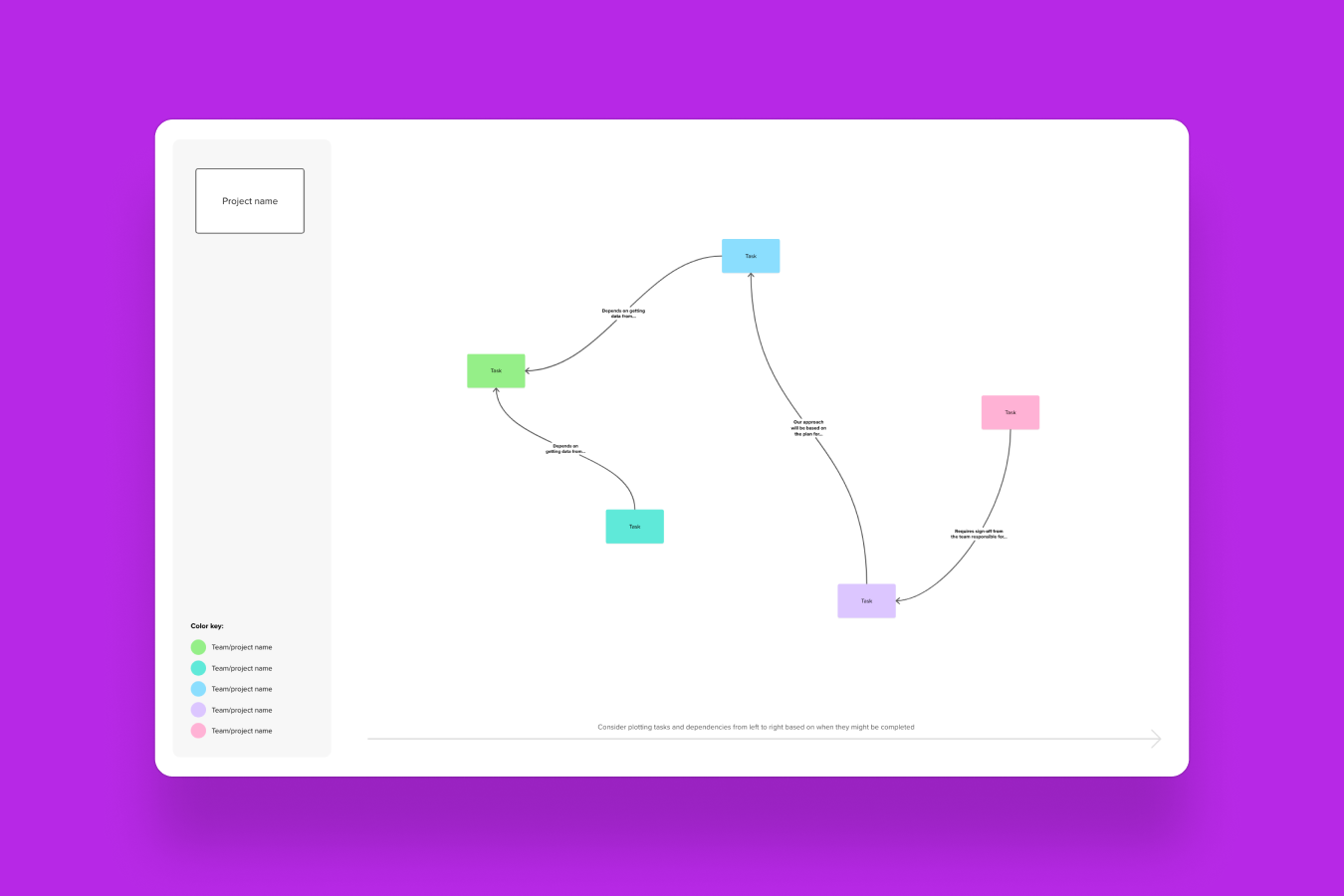
Plan how to add value at each iterative stage of project development. (Formerly named Roadmap)

Did you know that 77% of buyers prefer different content at different stages of the product research process? To nail down different strategies at different times, a phased deployment can be the way to go for your next product launch. Our phased release plan template helps coordinate efforts across multiple teams — marketing, development, sales, and customer support — by outlining the exact sequence of actions for each phase.
This template helps you identify dependencies, allocate resources, and ensure that every aspect of the release is thoroughly planned and tested before moving to the next stage. This approach not only avoids risks but also allows for valuable feedback loops, enabling adjustments before the full-scale rollout. With a clear and well-organized phased release plan, you can build momentum and deliver a polished product to your customers.
A phased release plan is a strategy for launching a product, feature, or service incrementally over a series of stages or phases, rather than all at once. According to Gartner, only 55% of all product launches take place on time. But with this template, the goal is to introduce the product to the market gradually, with each phase providing an opportunity to test, gather feedback, and make adjustments before expanding the release. This approach helps mitigate risks, manage resources more effectively, and ensure that any issues can be identified early on.
Overall, a phased release plan helps organizations test the waters, refine the product, and improve the chances of a successful full launch by addressing issues early and making data-informed decisions throughout the process.
Outline the objectives of the release (like, customer adoption, revenue growth, bug fixes).
Divide the release into clear phases (like, planning, alpha/beta testing, pilot launch, full release).
List key milestones and deliverables for each phase with deadlines and measurable outcomes.
Assign specific tasks and responsibilities to individuals or teams for each phase.
Set up feedback collection mechanisms (like, surveys, A/B testing) and define how to iterate based on feedback.
Monitor progress by tracking completion of tasks and milestones for each phase.
Use the phased release plan template whenever you need to organize, track, and manage the release of a new product, feature, or update in stages, ensuring smoother execution, lower risk, and better outcomes. Here are some examples:
Here are a few examples of phased release strategies used in different contexts:
Example: A software company releases a new feature to a small group of loyal users or selected testers. After gathering feedback and fixing bugs, they gradually expand access to more users.
Phases:
Example: A company launching a new product in different regions or countries to manage logistics and market readiness.
Phases:
Example: A SaaS company rolls out a major update with new features, but they do it gradually to ensure the system can handle the change and avoid bugs.
Phases:

The phased release plan template provides a structured framework for managing product development in stages, helping teams break down large, complex tasks into smaller, manageable phases. By using this template, product managers and development teams can outline key milestones, deliverables, and timelines for each phase of the development process. It helps prioritize features and improvements, ensures alignment with customer needs, and offers a clear path for testing, feedback, and iteration. The template also facilitates coordination across teams (like, design, engineering, marketing), ensuring that everyone is on the same page and working towards the same objectives at each stage of the product lifecycle.
Phased rollouts offer several advantages, including:
Risk mitigation: By releasing the product or feature in stages, teams can identify potential issues early and make adjustments before the full-scale launch, reducing the likelihood of widespread problems.
Faster feedback: Each phase provides an opportunity to collect user feedback, assess performance, and refine the product. This feedback loop ensures that the final product is more aligned with user needs.
Resource management: Phased rollouts allow for better resource allocation, helping teams focus on one phase at a time and scale up efforts gradually as each phase progresses.
Market testing: You can test the product with a smaller group of users or markets, ensuring the product is ready for broader adoption. This helps gauge customer interest, demand, and usability before committing to a full release.
Yes, phased release plans can be an integral part of an Agile development process. Agile focuses on iterative development, flexibility, and continuous feedback, which aligns well with the phased approach. In an Agile environment, a phased release allows teams to release incremental updates, features, or product improvements after each sprint, ensuring that the product evolves with user feedback and market demands. Phased releases in Agile can be used to deliver a minimum viable product (MVP) early on, followed by additional features or enhancements in later phases, allowing for continuous improvement and faster time-to-market.
Tracking progress is straightforward and involves the following steps:
Set clear milestones: Define specific, measurable milestones for each phase, such as product testing completion, user feedback collection, or feature deployment.
Track deliverables: Use the template to monitor the completion of key deliverables within each phase (like, development tasks, design iterations, marketing collateral).
Assign responsibilities: Clearly outline who is responsible for each task or milestone, ensuring accountability and making it easy to identify any delays or bottlenecks.
Timeline management: Track the timeline for each phase, ensuring the project stays on schedule and that deadlines are met.
Feedback and adjustments: Include a section in the template to log feedback and performance data from each phase. This helps to assess whether the product is meeting expectations and whether adjustments are needed for the next phase.
Progress indicators: Use visual indicators (like, status updates, checkboxes, Gantt charts) within the template to show progress at a glance, making it easy for stakeholders to track the release’s overall status.
By using the phased release plan template to track these elements, teams can maintain focus, manage progress effectively, and adjust quickly as needed to ensure a successful final product launch.
No credit card required