On this page
Template use cases
Use Backlog refinement template
Get started
Prioritize and estimate user stories for an upcoming sprint

Refine your product backlog to ensure it's up to date ahead of a sprint or planning session. Easily import issues from your Jira Cloud instance into this template, prioritize and update, and then send your refined backlog back to Jira.
The backlog refinement template allows you to reexamine what’s relevant in your backlog, what’s not, and what new user stories you should include. That way, your team gets a clear view of the tasks they must complete in the sprint.
Backlog refinement is a process in which the product owner and developers of an agile team review the tasks on the backlog, prioritize user stories based on their impact on business results/effort, and make updates to the backlog so it’s ready for the next sprint.
Here’s how running a backlog refinement meeting benefits scrum teams:
The DEEP method is a framework created by Roman Pichler and Mike Cohn to help product owners better manage their backlog. The acronym breaks down as follows:
Make sure to keep the backlog refinement discussion on what will satisfy and engage users so you can focus on how to create a better product for them.
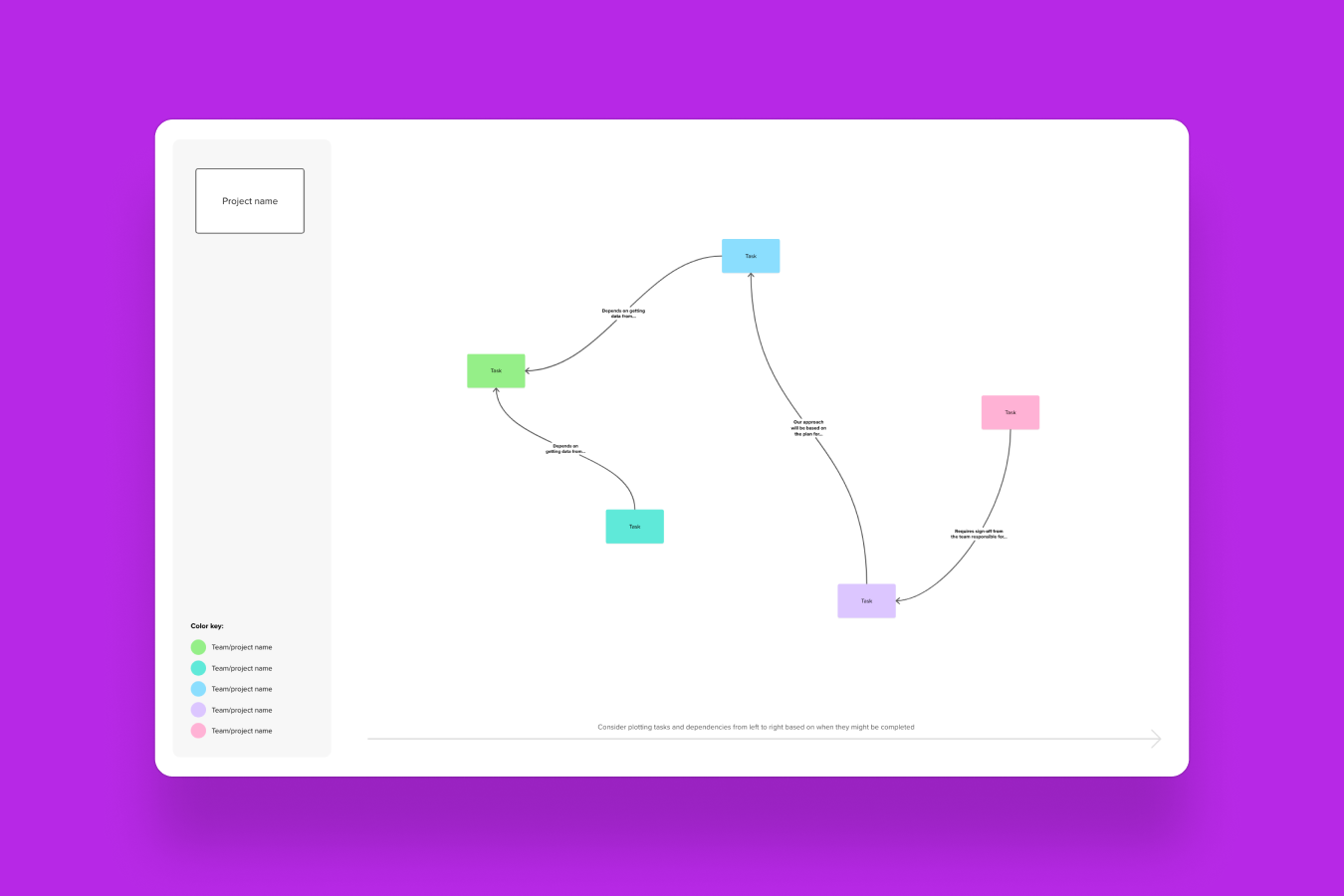
Dependencies in a product backlog refer to any task you can’t get started on until your team has completed another user story. Make sure to identify the dependencies in your backlog before updating it with new tasks.
Ask your team members to drop their names in the template’s sticky notes and rate how they’re feeling before your backlog refinement session.
Review the backlog to identify if there are any issues that could break down into smaller tasks or be removed from your backlog altogether.
With your team, prioritize which issues you want to focus on now, next, or later.
Estimate the story size of each issue with your team members.
Ask each team member how they feel after the backlog refinement exercise and log their energy levels after the backlog refinement session.
The people you need to invite to your backlog refinement session include:
Product owners
Product developers
Scrum masters
In some cases, you may need to invite target users to meetings so they can provide their thoughts on what they look for in the product.
While there is no required length of time for backlog refinement meetings, aim for around 45 minutes to an hour. This length helps people stay productive without burning out.