On this page
Template use cases
Use Stakeholder Mapping template
Get started


A way to diagram the people who have a stake in a given system
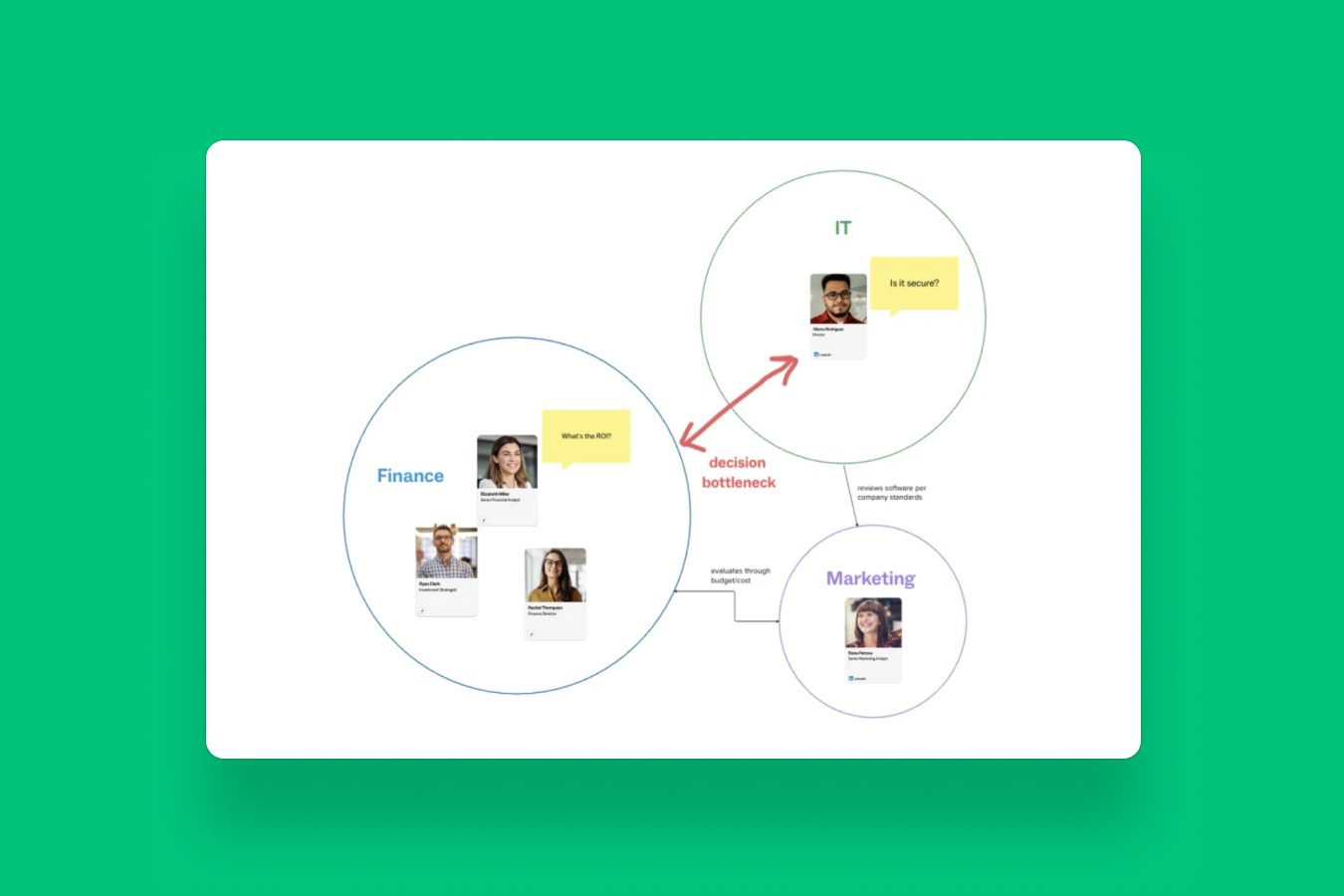
Stakeholder mapping is a critical process for any project or initiative, ensuring that all key players are identified, understood, and effectively managed. The stakeholder mapping template in Mural provides a structured and visual way to organize and analyze your stakeholders, making it easier to align their interests and manage their involvement.
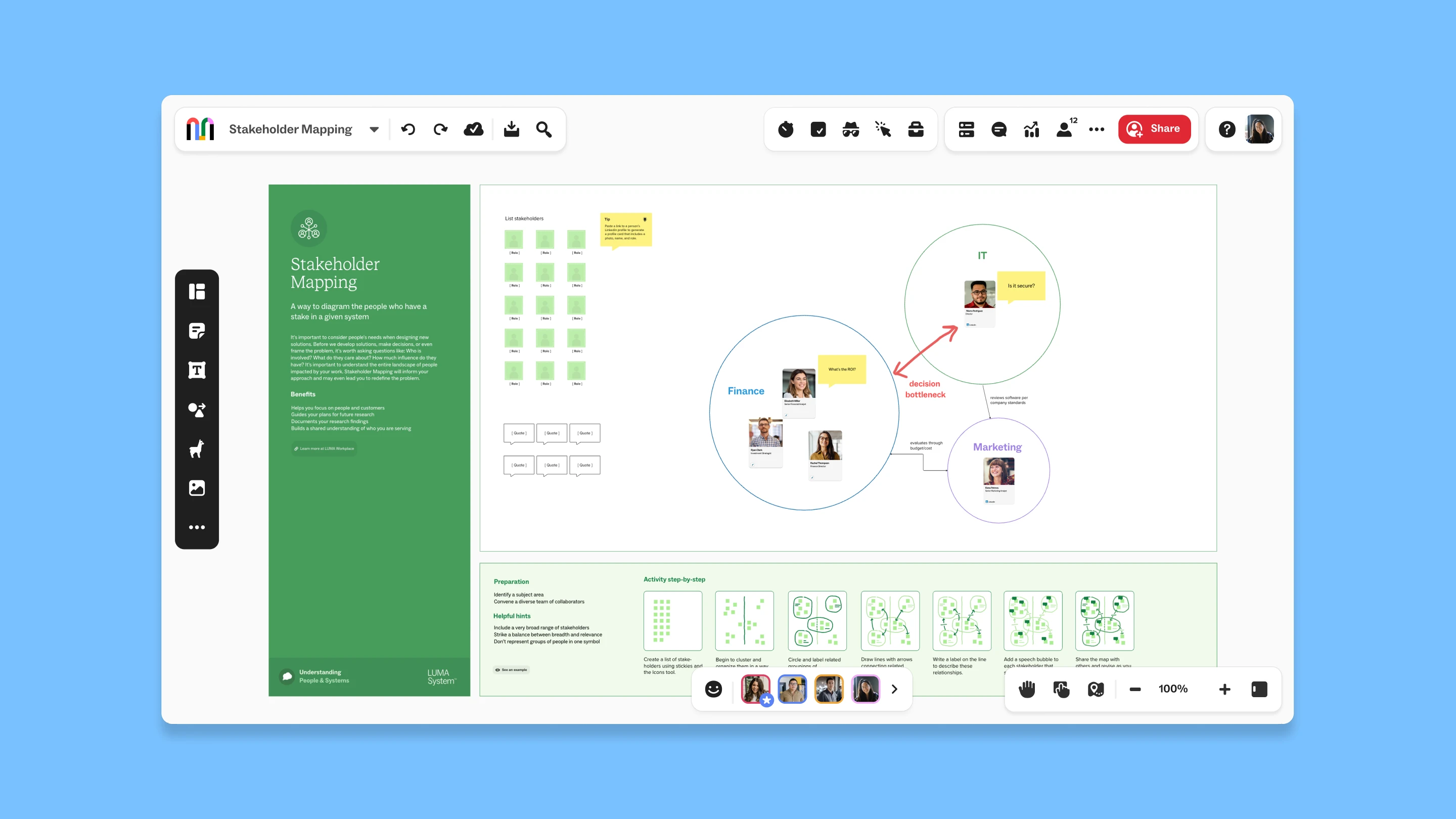
Using Mural’s stakeholder mapping template is straightforward and can be broken down into a few simple steps:
This will form the basis of your analysis and allow your team to assign roles and levels of influence, as all the stakeholders will relate in some way to the central project.
Bring your team together — in real time or asynchronously — to create an exhaustive list of stakeholders related to your central project.
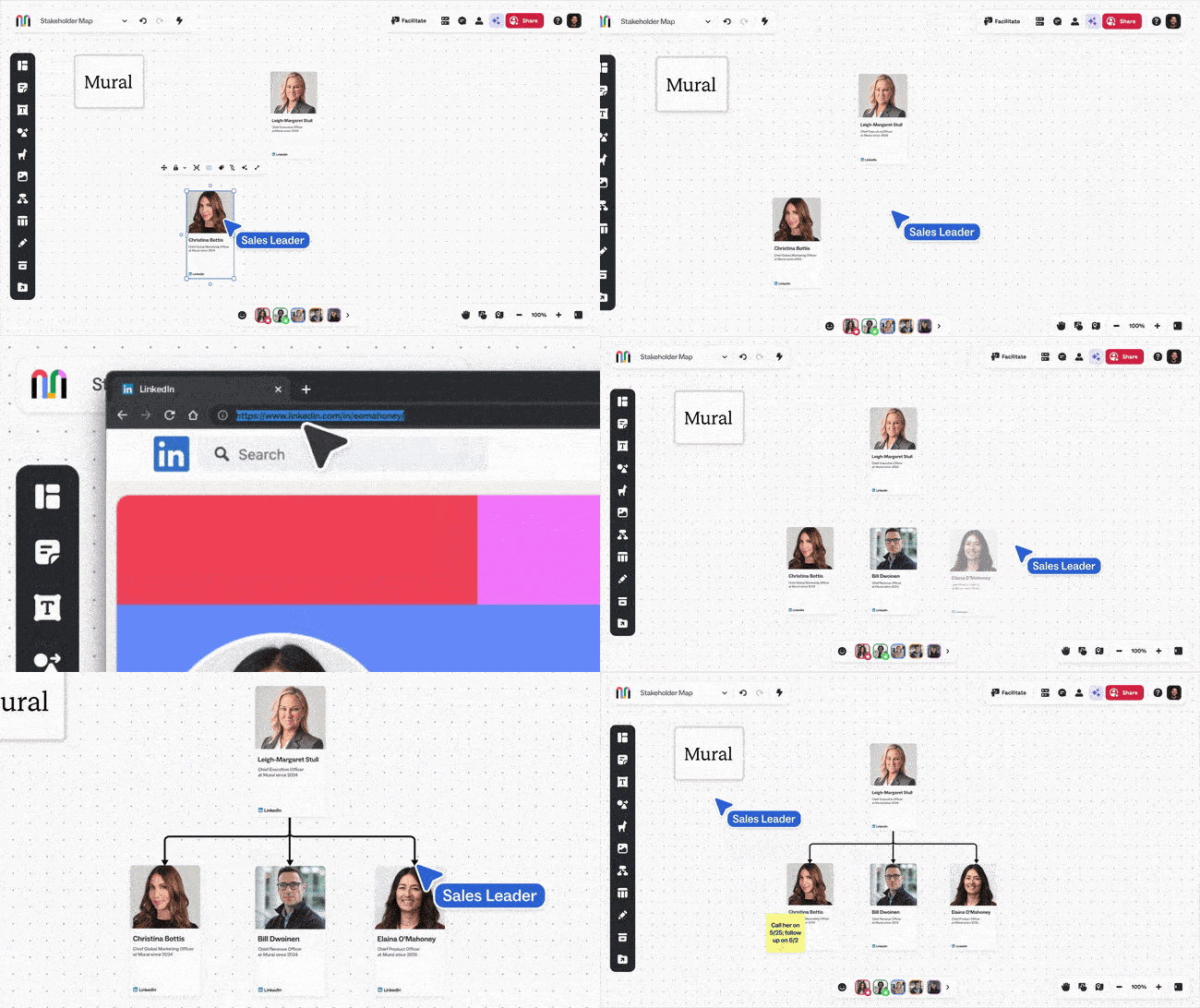
Paste a LinkedIn URL into your mural to instantly create a company profile card. Then, use custom tags and color bars to visually organize stakeholders into categories.
Once you have identified all your stakeholders, have your team select the most critical stakeholders, add a ‘quote’ that helps define their roles within the project, and group them according to their similarities. Use Mural AI to generate, cluster, and summarize next steps faster.
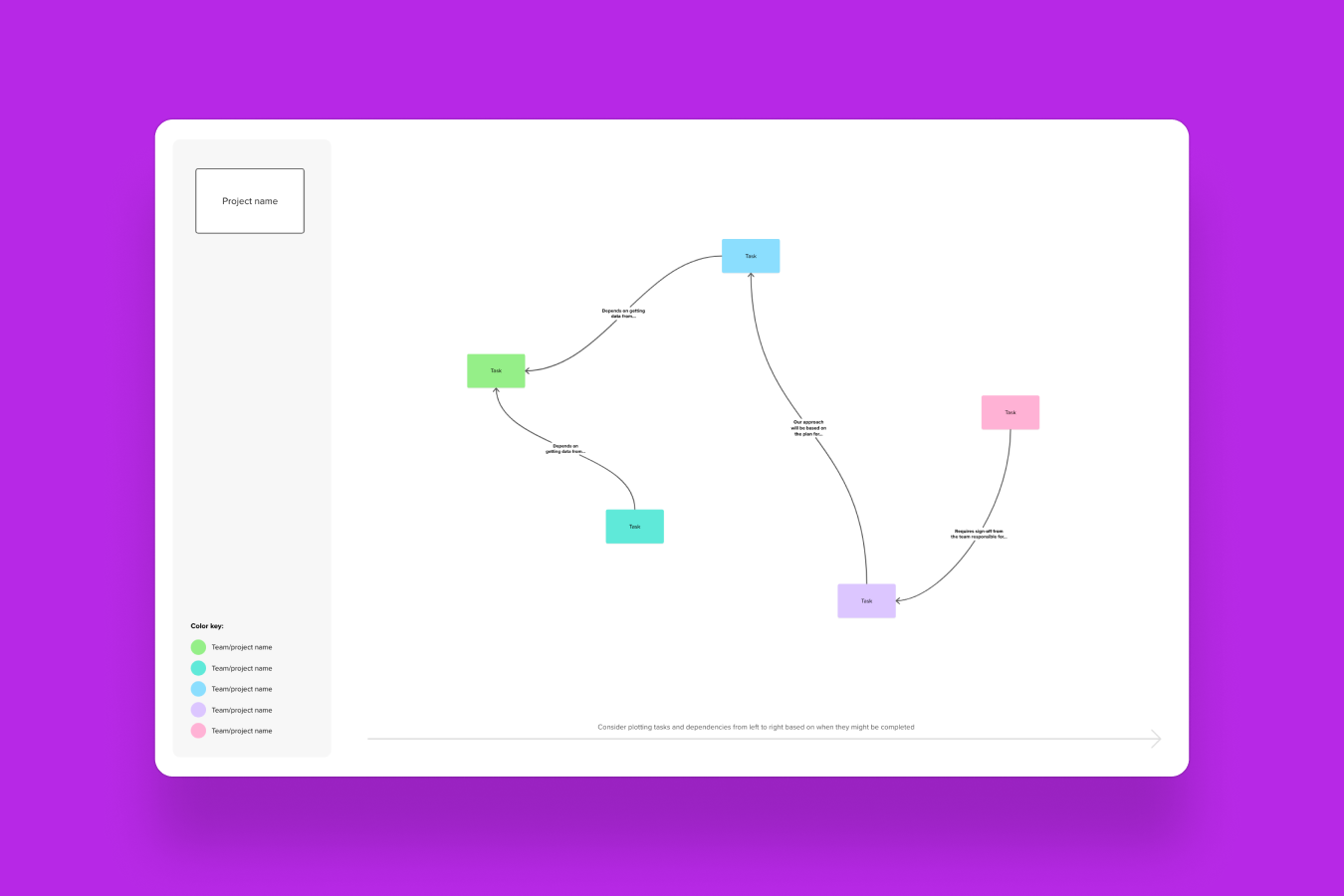
Next, look for relationships between groups, as well as cross-functional connections between individual stakeholders across groups. Map and label those connections with descriptions.
Running a stakeholder mapping template workshop can be a valuable exercise for your team. Here are some tips to ensure it’s a success:
The purpose of stakeholder mapping is to identify and understand the various individuals, groups, or organizations that are affected by or have an interest in a particular project or initiative. Stakeholder mapping helps to identify key stakeholders and their relationships to one another, and is often used in the early stages of a project to inform stakeholder engagement and decision-making.
By creating a stakeholder map, project teams can gain a better understanding of the interests, needs, and priorities of different stakeholders, and develop strategies for engaging with them effectively throughout the project lifecycle. Ultimately, stakeholder mapping helps to ensure that projects are designed and implemented in a way that takes into account the needs and perspectives of all stakeholders, and that stakeholders are kept informed and engaged throughout the process.
Identify stakeholders: Create a list of all individuals or groups who have a stake in the project.
Assess influence and interest: Plot each stakeholder on a matrix based on their level of influence and interest in the project.
Map relationships and roles: Visualize the connections between stakeholders and their roles in the project.
Develop engagement strategies: Outline how you will communicate with and involve each stakeholder to ensure their support and alignment.
Over 95% of the Fortune 100 use Mural to get things done.
No credit card required